 Skip to content
 Now Offering Professional Plumbing Services!



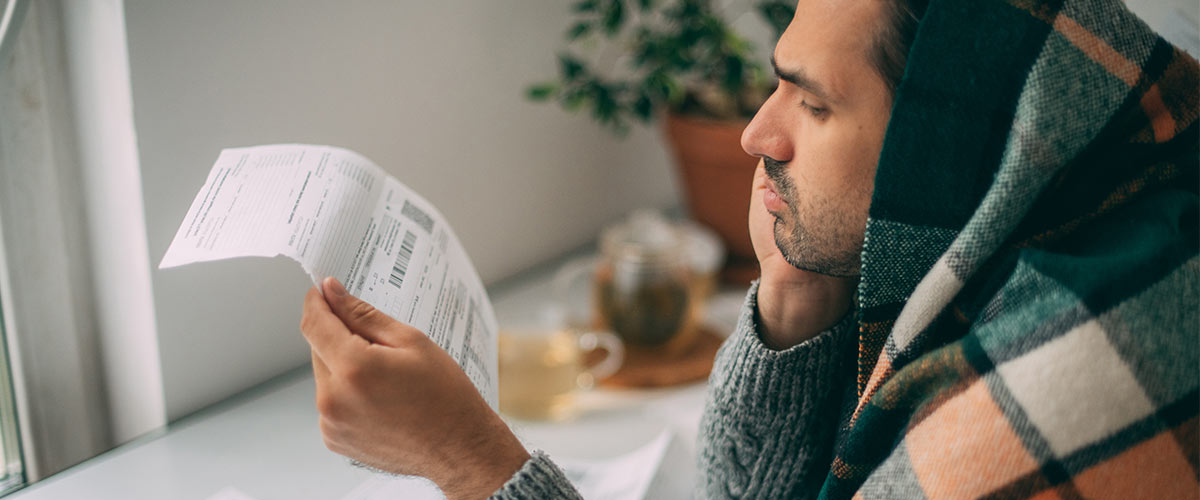
As the holiday season approaches, many Southern homeowners notice an unwelcome surprise: a spike in their heating bills. Even in regions with milder winters, December brings cooler temperatures, longer nights, and increased energy usage, all of which contribute to higher utility costs. Fortunately, understanding the causes of these increases and taking proactive steps can help you maintain comfort without breaking the bank.
In this blog, we’ll explore why your heating bill spikes in December and provide practical tips for energy efficiency, including behavioral adjustments, thermostat settings, and insulation reminders to keep your home cozy and cost-effective.
Why Heating Bills Increase in December
- Lower Temperatures and Longer Nights
December is typically the coldest month in the South, and homes require more energy to maintain a comfortable indoor temperature. Longer nights mean your heating system runs for more hours each day, naturally increasing energy consumption. - Holiday Guests and Increased Activity
Many families host gatherings during the holidays. Increased cooking, appliance use, and additional people in the home can put extra load on your heating system and overall energy usage. - Old or Inefficient HVAC Systems
An aging furnace or heat pump may struggle to maintain the desired temperature efficiently. Older systems require more energy to produce the same amount of heat, which shows up on your December energy bill. - Closed Windows and Reduced Ventilation
To keep warm, homeowners often close windows and doors tightly. While this prevents heat loss, it can also reduce air circulation, making your system work harder to evenly heat rooms.
Behavioral Tips to Reduce Heating Costs
- Dress for the Season
Wearing warmer layers indoors allows you to lower your thermostat a few degrees without sacrificing comfort. Consider cozy sweaters, socks, or slippers — small changes add up over time. - Use Space Wisely
Close doors in rooms that are rarely used to prevent wasting energy on heating unoccupied spaces. However, make sure to balance this with proper airflow to avoid pressure imbalances in your HVAC system (more on that below). - Embrace Holiday Lighting Strategically
Decorative lights give off heat that can slightly reduce your heating load. However, ensure these are LED lights for energy efficiency. - Use Ceiling Fans Wisely
Running ceiling fans in reverse (clockwise) on low speed pushes warm air down from the ceiling, helping rooms feel warmer without raising the thermostat.
Thermostat Settings and Programming
- Lower the Thermostat When Away or Sleeping
Setting your thermostat 5–10 degrees lower when you’re not home or while sleeping can reduce heating costs by up to 10% per month. Programmable or smart thermostats make this easy to automate. - Avoid Constant Temperature Adjustments
Frequent adjustments create inefficiency. Instead, set your desired daytime and nighttime temperatures and stick with them. - Use Zoning or Smart Thermostats
If your home allows, set different zones to heat only occupied areas. Smart thermostats can learn patterns and adjust temperatures automatically to maximize efficiency.
Insulation and Home Efficiency Reminders
- Seal Drafts and Gaps
Check windows, doors, and any areas where pipes or vents penetrate walls. Caulk or weather-strip gaps to prevent heat loss. Even small leaks can significantly impact heating efficiency. - Insulate Attics and Crawl Spaces
Proper insulation in the attic and crawl spaces prevents warm air from escaping and cold air from entering, which can reduce the workload on your heating system. - Check Ductwork for Leaks
Leaky or disconnected ducts can allow heated air to escape into unconditioned spaces. Inspect ductwork and seal leaks with mastic or metal tape. - Window Treatments
Use curtains or thermal blinds to keep heat inside during the night. Open them during sunny days to allow natural warmth in.
Additional Energy-Saving Strategies
- Maintain Your HVAC System
Clean or replace air filters regularly. A dirty filter reduces airflow and efficiency, forcing your system to work harder and use more energy. Schedule professional maintenance annually. - Upgrade to Energy-Efficient Equipment
If your system is old, consider a high-efficiency furnace or heat pump. Modern systems use less energy and can pay for themselves over time through lower bills. - Monitor Energy Usage
Track your monthly usage and compare it to past years. Sudden spikes can indicate a malfunctioning system or unnecessary energy waste. - Consider Supplemental Heating
Space heaters or small infrared heaters in areas you use the most can reduce the need to heat the entire home continuously. Always use them safely.
Heating bills often spike in December due to colder temperatures, longer operating hours, and increased holiday activity. Homeowners can lower energy usage with simple behavioral adjustments, such as wearing warmer clothing indoors and reducing thermostat settings at night. Ensuring proper insulation, sealing drafts, and maintaining your HVAC system is crucial for efficiency, while smart thermostats, zoning systems, and supplemental heating help control costs without sacrificing comfort. By combining these strategies, Southern homeowners can enjoy a warm, comfortable December while keeping heating costs manageable. Preparing early, maintaining your HVAC system, and practicing energy-efficient habits can reduce surprises and make the winter months more enjoyable.